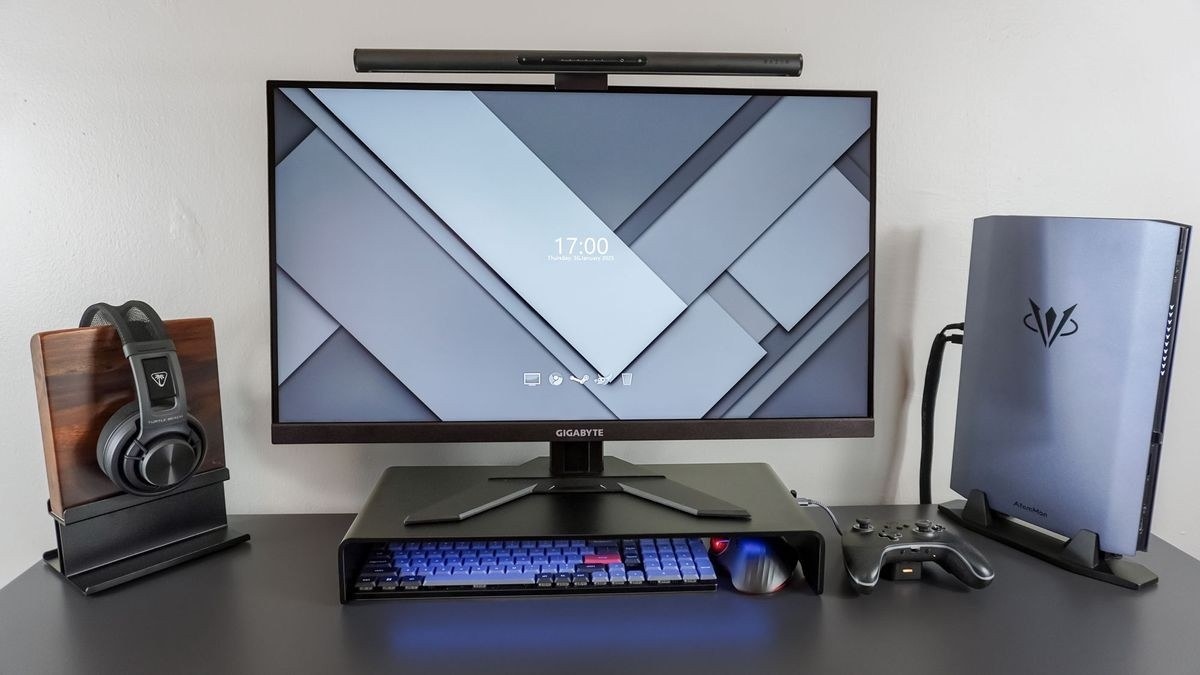
CCOHS advises coordinating the keyboard, chair and support so the hands can move freely without sustained pressure on the wrists.
Understand what the support is doing
CCOHS explains that a rest can reduce contact with a sharp desk edge, but heavy or prolonged pressure on the underside of the wrist can create problems. A person with an appropriately adjusted desk and chair may need little support. The device is therefore part of a coordinated workstation rather than an automatic requirement for every keyboard user.
Match the pad to the keyboard
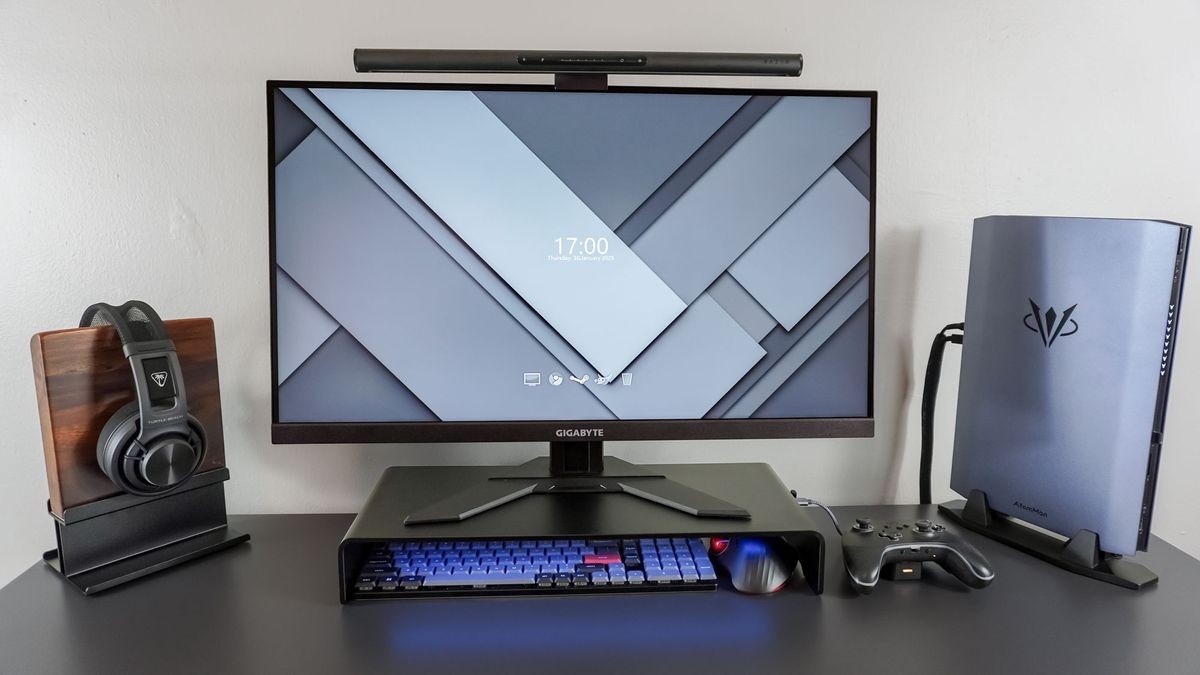
The guidance recommends keeping the hands free and elevated while typing; during a pause, the support should contact the palm or heel of the hand instead of the wrist. Its height and slope should match the keyboard's front edge, and the surface should be soft and rounded enough to limit pressure. Neutral wrist alignment remains the objective. Individual preference matters, and research about wrist rests should not be presented as a simple guarantee against injury.
CCOHS advises coordinating the keyboard, chair and support so the hands can move freely without sustained pressure on the wrists.


Leave a Comment
Comments (0)